

The Polar Zone
The Earth has three major climate zones – tropical, temperate and polar. Each zone has a temperature range that is determined by latitude. Within each of the zones, there are differences in the geography and the amount of precipitation, which means there are different climates within a zone. Because the climates can be different within a zone, each zone labels a region with a specific type of climate a biome.
There are 10 biomes on Earth. The tropical zone includes three biomes - the tropical rain forest, the tropical savanna and the tropical desert. The temperate zone includes four biomes – the temperate forest, the temperate grassland, the temperate desert and chaparral. In the polar zone, there are two biomes – the taiga and the tundra. The polar zone climate zones are located at the North or South Pole and their surrounding areas. Polar climates have the coldest average temperatures of all the climate zones and in winter the temperatures stay below freezing. A large part of Canada and some of the northern areas of the United States lie in the taiga biome. The uppermost part of the polar zone is home to the tundra biome and that is where we find much of the Northwest Territories.
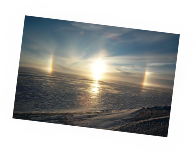
The tundra biome has long, cold winters and short, cool summers. There are almost 24 hours of night in winter and almost 24 hours of daylight in summer. The ground has permanently frozen soil, called permafrost. Only for a short time in the summer does some of the soil thaw – just the top meter of soil. Because of the climate, cold temperatures and soil conditions, the taiga and tundra biomes best support the construction and maintenance of ice roads.
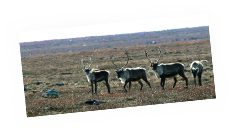
Every zone's unique environment hosts a variety of plant and animal life. In the tundra, the habitat of the region is often called the Barren Lands because of its lack of trees. In addition to permafrost, the tundra is made up of countless lakes, rock outcrops and large boulders which have been deposited over the fields by glaciers. The plant life in the area includes small shrubs, mosses and lichens. The animal life of the tundra includes caribou, grizzly bear, wolf, fox, polar bear and reindeer. There are many bird species that migrate to the tundra in the summer to feed on the plentiful insects. Other birds live in this environment all year. The raven is one bird which has adapted to the colder climate and is often seen by the drivers on the ice roads.