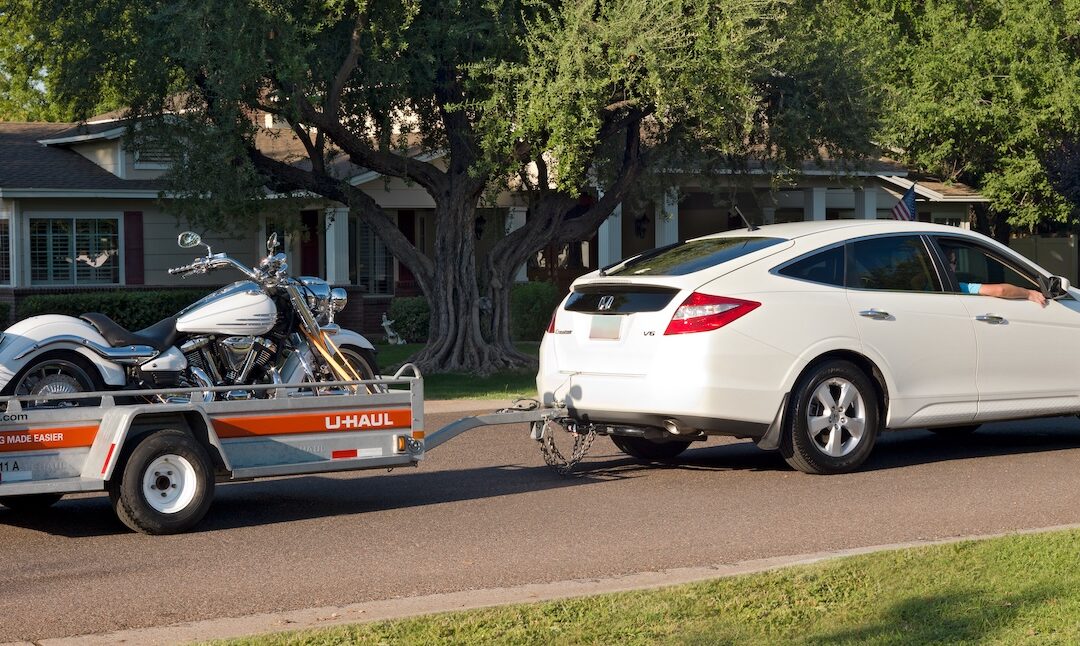
What Lock Should I Get For My Trailer Hitch?
by 
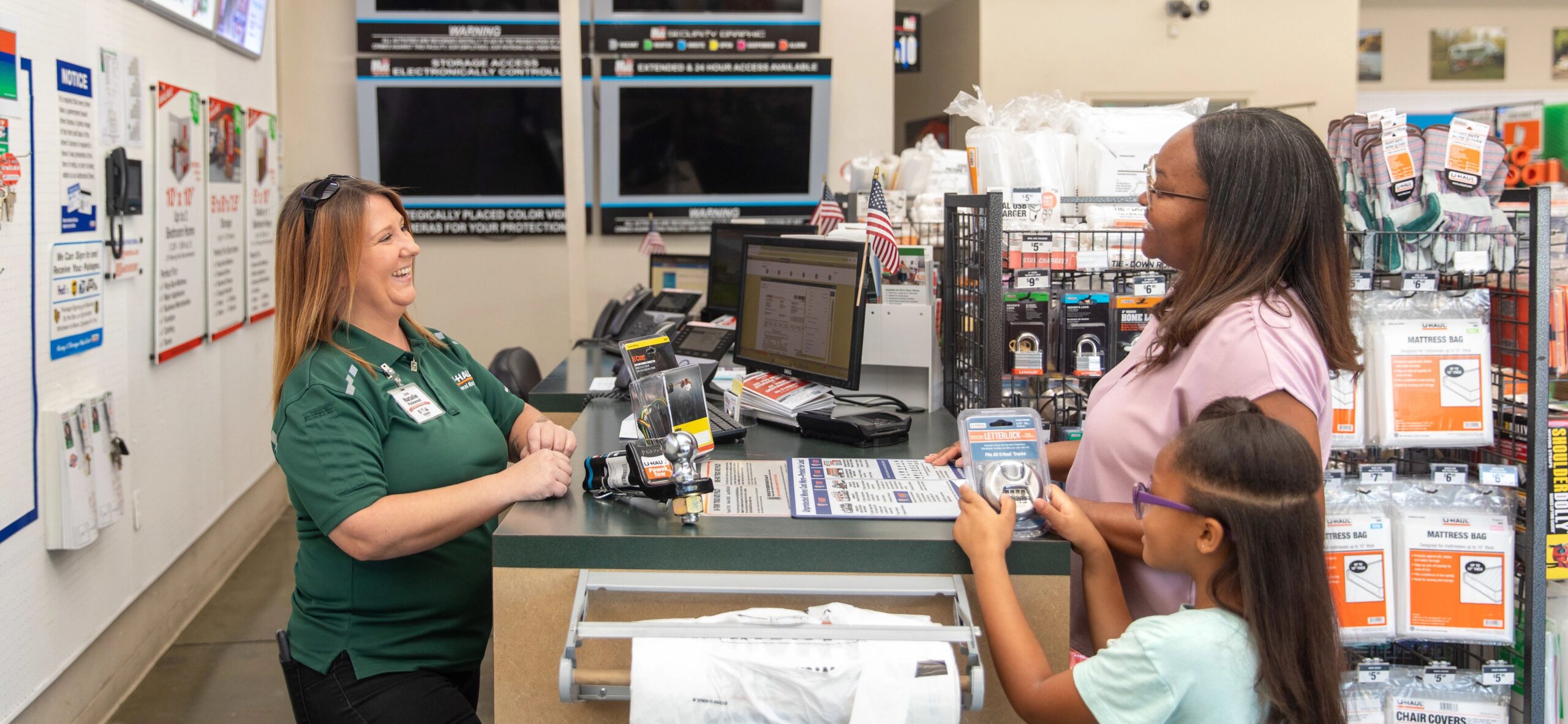
The right trailer hitch lock depends on which connection point you want to secure. There are three common lock applications to consider:
- A locking hitch pin helps secure the ball mount inside the vehicle’s hitch receiver.
- A parked-trailer coupler lock helps secure the coupler when the trailer is disconnected from the tow vehicle.
- An in-tow coupler lock helps prevent the coupler latch from being released while the trailer is connected.
Because each lock protects a different part of the towing setup, you may need more than one lock based on how and when you use your trailer.
For a U-Haul Drop and Tow coupler, the small side hole is designed for an anti-theft locking pin while the trailer is parked or in tow.
Key Takeaways
- A parked-trailer coupler lock helps secure a disconnected trailer by blocking access to the hitch-ball area or securing the coupler latch.
- An in-tow coupler lock helps prevent the coupler latch from being released while the trailer is connected to the tow vehicle.
- A locking hitch pin helps secure the ball mount inside the vehicle’s receiver.
- These lock types are not interchangeable because they protect separate connection points.
- Lock compatibility depends on the coupler, receiver, ball mount, and accessory
Why Use Coupler Locks and a Locking Hitch Pin?
A trailer connects to your vehicle at more than one point. The ball mount lives in the receiver hitch, while the trailer’s coupler connects to the hitch ball. Pins and clips hold the towing components together.
Three lock applications can help address the main connection points in the towing setup:
| Lock Application | What It Secures | When It Is Used |
| Parked-trailer coupler lock | The coupler of a disconnected trailer | When the trailer is parked and not attached to a tow vehicle |
| In-tow coupler lock or anti-theft pin | The coupler latch | When the trailer is connected for towing or parked, depending on the product |
| Locking hitch pin | The ball mount inside the vehicle’s receiver | When a ball mount or compatible accessory is installed in the hitch receiver |
What is a Trailer Coupler Lock?
A trailer coupler lock is designed to prevent unauthorized access to the trailer’s coupler. The design you need depends on whether the trailer is parked and disconnected or whether it’s connected to the tow vehicle.
Coupler Locks for Parked Trailers
A parked-trailer coupler lock typically fits in the hitch-ball area or secures the coupler latch. This type of lock is intended to help prevent an unauthorized vehicle from connecting to a disconnected trailer.
The video included in this section demonstrates a coupler-lock application for a parked trailer.
Coupler Locks for Trailers in Tow
An in-tow coupler lock fits through a compatible lock hole to help prevent the coupler latch from being released while the trailer is connected to the hitch ball. It must not interfere with the hitch ball, coupler movement, or other towing components.
For the U-Haul Drop and Tow coupler specifically, the small hole on the side is designed for an anti-theft locking pin when the trailer is parked or in transit.
A coupler lock is a security accessory and does not replace proper trailer connection procedures. When used while towing, a compatible lock helps prevent the coupler latch from being opened but does not replace the hitch ball, safety chains, wiring, or pre-trip connection inspection.
What Is a Locking Hitch Pin?
A locking hitch pin is what helps secure the ball mount inside the vehicle’s receiver hitch. It replaces a removable pin and clip with a pin that has a locking head.
The receiver hitch is the square tube attached to the vehicle’s frame. The ball mount slides into the receiver, and the hitch ball attaches to the ball mount. The trailer coupler then connects to the hitch ball.
A locking hitch pin can also work with certain hitch-mounted accessories, like bike racks or cargo carriers. Some accessories require their own threaded or proprietary pins, so the product specification should always be checked.
To learn more about receiver hitches, read our Complete Select-a-Hitch Guide.
Which Type of Hitch Lock Should I Use?
The best answer depends on what you’re trying to secure.
Securing a Parked Trailer
For a parked trailer, you should use a coupler lock that goes into the hitch ball, or a coupler lock that secures the coupler latch from being opened. It’s also always important to follow the specific manufacturer’s instructions for your lock.
Securing a Trailer While Towing
When towing a trailer, any coupler lock that interferes with your tow ball will not be compatible, and you need a coupler lock that prevents the trailer coupler latch from being tampered with.
When the Ball Mount is in the Receiver
When the ball mount is in the receiver, use a compatible locking hitch pin to help secure the ball mount inside the vehicle’s receiver.
It’s important that the lock matches the receiver, pin hole, and ball-mount setup. A locking pin shouldn’t be selected solely off appearance, as different locks are compatible with different hitches.
For More Complete Hitch Security
Because these locks protect different connection points, consider the three lock applications that apply to your setup:
- A parked-trailer coupler lock for a disconnected trailer
- An in-tow coupler lock for the coupler latch
- A compatible locking hitch pin for the receiver connection
The parked-trailer and in-tow coupler locks address different trailer-side applications, while the locking hitch pin addresses the vehicle-side receiver connection. You may not need all three installed at the same time, but each serves a distinct purpose during parking, towing, or equipment storage.
What Is the Best Coupler Lock?
The best coupler lock is one that fits your trailer’s specific coupler and matches how you plan to use it. While some locks secure the coupler’s latch while towing or parked, others fill the hitch-ball space to aid in securing a disconnected trailer. Before purchasing, check the coupler style, lock-hole dimensions, available clearance and product compatibility.
Here are four coupler locks to consider:
Stainless Coupler Lock
The Stainless Coupler Lock pairs great with the anti-theft locking-pin hole on the U-Haul Drop and Tow coupler. It’s a practical option when you’re looking to prevent the coupler latch from being released while the trailer is parked, or in transit.
Confirm that the locking pin fits the coupler before installing it, and follow the specific product instructions for proper use.
Coupler Lock
The Coupler Lock helps secure the trailer’s coupler latch from being opened. This style is a helpful choice when you need a compact lock that passes through the lock hole in the coupler latch.
Because lock-hole dimensions and clearance vary, check the coupler and lock specifications before purchasing and installing.
Universal Coupler Lock
The Universal Coupler Lock fits into the hitch-ball area of a disconnected trailer coupler. It is intended for parked trailers and should not be used while the trailer is connected to a tow vehicle.
The product is designed for broad compatibility, but you should still confirm that it fits your coupler and intended application before installation.
Coupler Security Lock
The Coupler Security Lock is another option for securing a compatible coupler latch. This lock is compatible with U-Haul Drop and Tow couplers, and it can be used both when the trailer is disconnected and parked or when it’s connected and being used to tow. Confirm the product specifications and coupler compatibility before use.
Compare these coupler locks and choose the option that matches your trailer, coupler and intended use.
How Do I Choose the Best Coupler Lock?
The best coupler lock depends on your setup. Coupler designs differ, so one lock may not fit every trailer. Before purchasing your coupler lock, check:
- Coupler style
- Lock-hole dimensions
- Clearance around the coupler
- Intended use while parked or towing
- Lock manufacturer’s compatibility information
- Trailer or rental equipment instructions
A coupler lock should fit without forcing or modifying the trailer’s hardware.
For U-Haul rental equipment, specific coupler-lock compatibility may vary by trailer. Confirm that a lock is compatible before purchasing and attempting to install it.
What Is the Best Hitch Pin Lock?
The best hitch pin lock for you is one that fits your receiver, ball mount and intended towing or accessory application. A locking hitch pin replaces the standard removable pin and clip at the receiver connection, adding a keyed lock to help secure the ball mount or a compatible hitch-mounted accessory.
Before choosing a lock, check the receiver size, pin-hole diameter, usable pin length and available clearance around the locking head.
Here are three locking hitch pins to consider:
Dual Bent Pin Lock
The Dual Bent Pin Lock is an option for securing a compatible ball mount inside the vehicle’s hitch receiver. Its dual-pin design may be useful for customers who need flexibility across compatible towing setups.
Verify that the correct pin fits your receiver and ball mount before use and installation.
Warrior Lock Dual Pin Hitch Lock
The Warrior Lock Dual Pin Hitch Lock provides another dual-pin option for compatible receiver connections. Consider this lock when you need to secure a ball mount or compatible hitch-mounted accessory and want more than one pin option available.
Check the product specifications against your receiver size, pin-hole diameter, and required usable length.
CURT 5/8-Inch Diameter Pin Hitch Lock
The CURT 5/8-Inch Diameter Pin Hitch Lock is intended for compatible receiver applications that use a 5/8-inch pin. This option may be a good fit when your receiver, ball mount or hitch-mounted accessory specifically requires that pin diameter.
Do not select a locking hitch pin by diameter alone. Confirm the usable pin length, receiver fit, and locking-head clearance before purchasing.
Compare these hitch pin locks and review the product specifications to find the right fit for your receiver and ball mount.
How Do I Choose the Best Locking Hitch Pin?
When choosing a locking hitch pin, it’s important to ensure that it fits both the receiver and the ball mount or accessory installed inside it.
Check the following before purchasing your locking hitch pin:
- Receiver size
- Pin-hole diameter
- Usable pin length
- Locking-head clearance
- Intended towing or accessory application
For more specific equipment, like bike racks and other hitch-mounted accessories, these may use a threaded or product-specific pin. In those cases, the accessory-specific lock should be used rather than a standard hitch pin.
Coupler Lock vs. Locking Hitch Pin
| Feature | Coupler Lock | Locking Hitch Pin |
| Location | Trailer Coupler | Vehicle’s hitch receiver |
| Main Purpose | Secures the trailer at its coupler | Secures the ball mount or compatible accessory |
| Replaces standard hitch pin and clip | No | Yes |
| May remain installed while towing/driving | Depends on product | Depends on the specific item instructions |
| Universal Fit | Compatibility varies by coupler design and intended use. | Compatibility varies by receiver size, pin-hole diameter, usable pin length, and accessory requirements. |
How to Use a Coupler Lock on a U-Haul Trailer
When the U-Haul trailer is parked:
- Confirm the trailer is parked properly in an appropriate location
- Locate the small anti-theft locking-pin hole on the side of the Drop and Tow coupler
- Verify that the pin is compatible with the coupler
- Install the anti-theft locking pin according to its product instructions
Although these instructions apply to the anti-theft locking-pin hole identified on the U-Haul Drop and Tow coupler, installation procedures can vary, and other couplers and locks may work differently.
How to Use a Locking Hitch Pin
Installation can vary by specific products and your trailer setup. However, the basic connection is at the vehicle’s receiver:
- Confirm that the lock fits the receiver and ball mount
- Align the pin holes in the ball mount and receiver
- Insert the locking hitch pin
- Attach and secure the locking head according to the specific product instructions
- Confirm that the lock is fully engaged
- Inspect the towing connection before travel
Remember that a locking hitch pin does not replace the other parts of a safe towing setup, including the correctly sized hitch ball, trailer coupler, wiring harness, and safety chains. A complete hitch package includes the receiver hitch, ball mount, hitch ball, wiring harness, pins, and clips.
Find the Right Hitch Locks for Your Setup
U-Haul offers towing and hitch accessories through U-Haul hitch installation centers, participating dealers, and online. Product availability and compatibility can vary.
Explore coupler locks, locking hitch pins, and other hitch accessories for your trailer and vehicle. Confirm compatibility before purchasing or installing a lock.
Frequently Asked Questions about Trailer Hitch Locks
Should I Get a Coupler Lock or a Locking Hitch Pin?
Choose locks based on the connection points you need to secure. A parked-trailer coupler lock helps secure a disconnected trailer, an in-tow coupler lock helps protect the coupler latch while connected, and a locking hitch pin helps secure the ball mount inside the vehicle’s receiver.
Can I Use a Coupler Lock on a U-Haul Trailer?
A U-Haul Drop and Tow coupler has a small side hole designed for a compatible anti-theft locking pin while the trailer is in tow or parked. Confirm that the pin fits the specific coupler before installing it.
Can I Tow a U-Haul Trailer With the Coupler Locking Pin Installed?
Yes, when the anti-theft locking pin is compatible with the U-Haul Drop and Tow coupler and installed according to the product instructions. This type of pin is intended for use while the trailer is in tow or parked.
What Does a Locking Hitch Pin Secure?
A locking hitch pin secures the ball mount or compatible hitch-mounted accessory inside the vehicle’s receiver. It replaces the standard pin and clip at that connection point.
Are Coupler Locks and Locking Hitch Pins Universal?
No. While some products, such as the Universal Coupler Lock, are designed for broad compatibility with parked, disconnected trailers, the fit can still depend on the coupler design, receiver size, pin-hole diameter, usable pin length, clearance, and equipment being secured.
Review the lock and equipment specifications before purchasing.
Does a Locking Hitch Pin Replace the Standard Pin and Clip?
Yes. A compatible locking hitch pin is installed at the same receiver connection where a standard pin and clip would hold the ball mount in place.
Is a Trailer Hitch Lock Theft-Proof?
No. A trailer hitch lock can add a layer of security, but it should not be described as theft-proof. Using the appropriate coupler lock and a compatible locking hitch pin can help secure the relevant trailer- and vehicle-side connection points.
What Size Locking Hitch Pin Do I Need?
Choose a locking hitch pin that matches the receiver, pin-hole diameter, required usable length and available locking-head clearance. If you are securing a bike rack or cargo carrier, check whether the accessory requires its own threaded or product-specific pin.
For more than 80 years, orange has been an iconic and recognizable color in moving and storage, signifying U-Haul products and services and the quality, affordability, and convenience they provide.