U-Haul Self-Storage: The History of Moving and Storage Together
Last Updated:
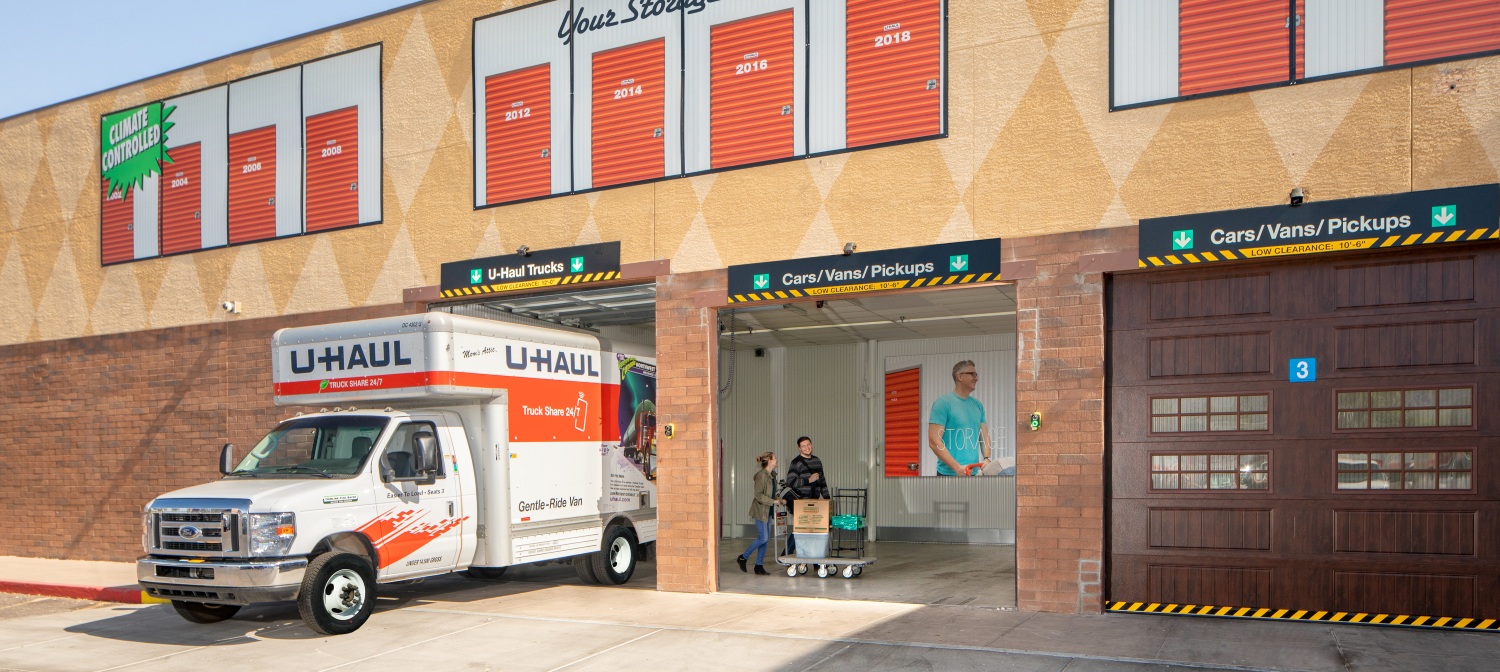
U-Haul is one of North America's largest self-storage providers and one of the most recognized names in moving and storage. Today, U-Haul operates more than 2,100 self-storage locations across the United States and Canada while continuing to provide truck rentals, trailers, portable storage containers, and moving supplies.
Since 1945, U-Haul has helped customers find storage during a move through moving equipment, self-storage facilities, and U-Box® portable moving and storage containers. From the earliest U-Haul trailers to today’s self-storage facilities, U-Haul has helped customers manage both sides of that need.
Over more than 80 years, that connection has grown from bright orange rental trailers into a North American network offering traditional self-storage, climate-controlled storage, vehicle storage, portable storage, and the equipment customers need to move their belongings.
Moving Equipment Helped Meet an Early Storage Need
The U-Haul story began in 1945 when L.S. “Sam” Shoen and Anna Mary Carty Shoen needed to move from California to Oregon. Unable to find a utility trailer they could rent one way, they saw an opportunity to make do-it-yourself moving more accessible to other families.
By the end of 1945, 30 4-by-7-foot U-Haul trailers were available at service stations in Portland, Seattle and Vancouver, Washington. By the end of 1949, customers could rent a trailer one way between cities across much of the United States, and the network expanded into Canada by 1955.
Historical U-Haul records show that some early customers kept trailers for extended periods, using the equipment for temporary storage as well as transportation while transitioning between homes.
That simple reality helps explain why self-storage became such a natural extension of U-Haul. Customers were not only asking, “How do I move my things?” They also needed to know where they could keep their belongings until they were ready to move them, whether that meant using temporary storage or eventually choosing to rent a storage unit.
Then in 1974, U-Haul formally expanded into self-storage as customers increasingly looked for space to keep belongings that didn’t fit in their home.
Self-Storage and Moving Work Better Together
Self-storage units give customers additional space during moves, renovations, and other transitions. Common reasons for renting a storage unit include:
- A family preparing for a move
- A college student storing belongings between semesters
- A homeowner remodeling a room or home
- A household downsizing, combining households or relocating for work
- A household needing short-term storage between moves
- A business storing inventory or records
- A customer freeing up space at home
In many of those situations, transportation and storage are part of the same process. That is why the U-Haul model is different from thinking about a storage unit as an isolated product. Customers can purchase moving boxes and supplies, rent a truck or trailer to transport their belongings, and choose a self-storage unit for items that are not yet ready for their final destination. By bringing these services together, U-Haul helps customers manage more of their move in one place.
The Next Step: Portable Moving and Storage
When U-Box portable moving and storage containers were added to the U-Haul product line, they created another option for customers who needed storage space that could also move with them. U-Haul combined short- or long-term storage with shipping and delivery in a single product.
Instead of loading belongings into a truck, unloading them into a storage unit, and loading them again later, customers can load a portable storage container and use that same container for both storage and transportation.
U-Box containers build on the same idea behind the earliest U-Haul equipment: providing flexible space that helps customers manage a move.
What Kind of Storage Does U-Haul Offer Today?
Today, U-Haul Self-Storage extends well beyond a row of standard storage units. Depending on the location, customers can find multiple types of storage for household, vehicle, and business needs.
Self-Storage Units
U-Haul Self-Storage includes small, medium, and large storage units designed for needs ranging from a few household items to the contents of a larger home. Customers can use storage during a move or as additional space long after moving day is over.
Climate-Controlled Storage
Climate-controlled storage provides a more consistent environment for belongings that may be sensitive to changes in temperature. Availability varies by facility.
Drive-Up and Indoor Storage
Drive-up units provide convenient vehicle access for loading and unloading. Indoor units are accessed from inside the storage facility and may offer an additional layer of separation from outdoor conditions.
Vehicle, RV and Boat Storage
Select U-Haul facilities provide storage options for cars, RVs, boats and other vehicles. Available spaces and features vary by location.
Business Storage
Storage units can provide flexible space for business inventory, materials, files, and other items that do not need to occupy a storefront, office, or home.
U-Box Portable Storage
U-Box portable moving and storage containers provide an alternative for customers who want storage that can be integrated directly into a move.
Together, these options make storage a significant part of what U-Haul does today—not an add-on to truck and trailer rentals.
Moving and Storage Have Come Full Circle
U-Haul began by giving customers a flexible way to move their belongings from one place to another. As their needs evolved, U-Haul expanded into self-storage, portable storage, vehicle storage, and other solutions that support different stages of a move.
That is why “moving and storage” is more than a phrase attached to the U-Haul name. The two services are connected by the same real-life moments. Moving and storage solve different parts of the same customer needs. One helps customers transport their belongings, while the other provides a place to keep them until they're ready for the next step. U-Haul does both, and has spent decades building the products, facilities, and network that connect those needs.
Find U-Haul Storage Near You
Finding self-storage often involves more than locating an empty unit. There may be boxes to buy, furniture to move, a truck or trailer to rent, loading help to arrange, or a portable storage option to consider. U-Haul brings those pieces together.
Compare nearby storage locations, unit sizes, and features in your area, including climate-controlled storage, indoor or drive-up storage units, vehicle storage, and portable storage where available.
Whether you need a storage unit for a few household items, space during a move, or a portable container that can move when you do, U-Haul offers storage solutions designed around the way people actually move and store their belongings.
U-Haul operates one of North America’s largest self-storage networks, with more than 99 million square feet of self-storage space in 1,136,000 units. And with more than 2,100 company owned and managed locations across the United States and Canada, you’re sure to find a facility close to you.
U-Haul is also the only national self-storage provider to offer a 1-Year Price Lock on your storage rent. Customers pay the same monthly rent for the first 12 months in a new storage unit, with no deposit or administrative fees. Eligible customers may also receive one month of free storage with a one-way equipment rental.
If you are searching for self-storage near you, U-Haul offers storage solutions that fit naturally into the rest of your moving plans.
Find U-Haul self-storage near you and choose the storage solution that fits your move, your belongings, and your schedule.
For more than 80 years, orange has been an iconic and recognizable color in moving and storage, signifying U-Haul products and services and the quality, affordability, and convenience they provide.
Frequently Asked Questions About U-Haul Self-Storage
How many U-Haul self-storage locations are there?
U-Haul has more than 2,100 self-storage locations across the United States and Canada, including facilities in all 50 U.S. states and 10 Canadian provinces.
What types of storage does U-Haul offer?
Depending on the location, U-Haul storage options can include traditional self-storage units, climate-controlled storage, indoor storage, drive-up storage, vehicle and RV storage, business storage, and U-Box portable storage containers. Availability and features vary by facility.
How can I find U-Haul self-storage near me?
Search for U-Haul Self-Storage by ZIP code, city or location to compare nearby storage facilities, available storage unit sizes, and features. Storage options vary by location, so customers can compare traditional units, climate-controlled storage, drive-up storage, vehicle storage, and portable storage based on local availability.