

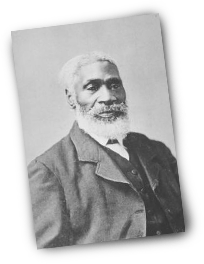
The Real Uncle Tom
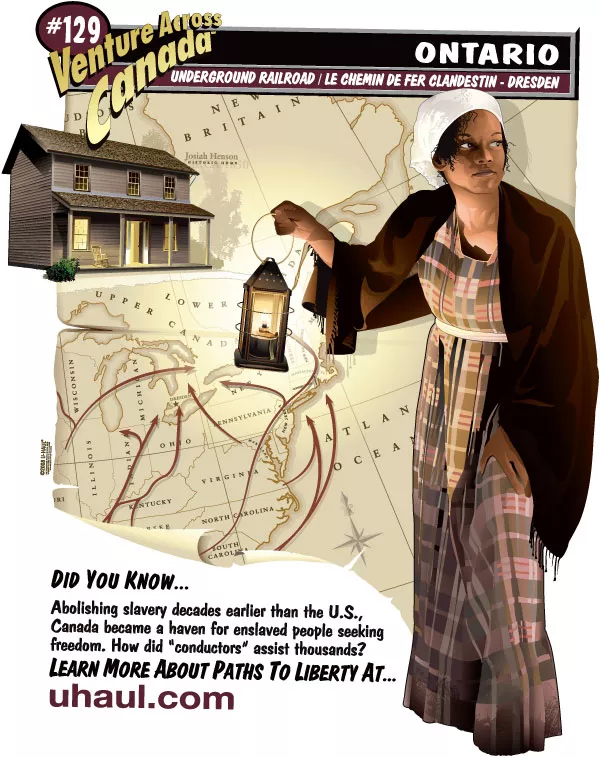
The story of the Underground Railroad is one of individual sacrifice and heroism among the enslaved and the people helping them gain freedom. It is estimated that 3,000 individuals assisted in operating the Underground Railway as conductors, stationmasters, stockholders and shepherds. While no one individual was more important than another, there are many heroes synonymous with the Underground Railroad: William Lloyd Garrison, Harriet Tubman, Frederick Douglass, William H. Seward, William Still, Thomas Garrett, Levi Coffin, Harriet Beecher Stowe and many others. The Ontario SuperGraphic features the home of a former slave turned conductor and brakeman named Josiah Henson.
Josiah Henson was born into slavery sometime in 1796, in Charles County, Maryland. At the age of 6, Henson was sold away from his parents. Before he turned 18, he was sold two more times to two different masters. Making a deal with his last master, Henson saved up $350 in order to purchase his freedom. When Henson handed over the money, his master did not honor the deal and instead insisted that the price of freedom increased to $1,000. In 1829, Henson was ordered to help sail a flatboat loaded with produce down the Ohio River. The destination was New Orleans, at the mouth of the Mississippi, which hosted the largest American slave market. The expedition was headed by his owner's 21-year old son, Amos Riley Jr. Henson knew he was going South to be sold. Left with nothing except anger, the determination and the desire to be free, Henson, his wife and their four children escaped from their master. Henson and his family did not stop after they crossed over into the Northern states; they continued their journey all the way to the Promise Land. Henson and his family made it safely to Canada in 1830 and lived there until he passed away in 1883. During his 53 years of freedom in Canada, Henson worked vigorously to create a settlement for other fugitives. Henson also was a dedicated conductor on the Underground Railroad and helped more than 100 passengers find their paths to liberty.
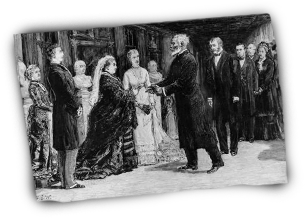
Henson and a group of other abolitionists eventually purchased 300 acres of land in Dresden, Ontario, and founded the Dawn Settlement. The Dawn Settlement was established in the hope that it would provide a safe haven for other African-Americans who escaped to freedom. Taught by his son, Henson learned how to read and write, became a minister and was instrumental in founding the Dawn School for educational and employment opportunities. The Dawn School, also known as the British American Institute, provided education and advancement opportunities for former fugitive slaves living in the Dawn Settlement. Traveling back and forth to England several times, Reverend Henson lectured on slavery, met with prominent reformers and worked hard raising funds for the Dawn Settlement. Henson's international fame increased dramatically in 1852, when an abolitionist named Harriet Beecher Stowe wrote and published her novel "Uncle Tom's Cabin."