

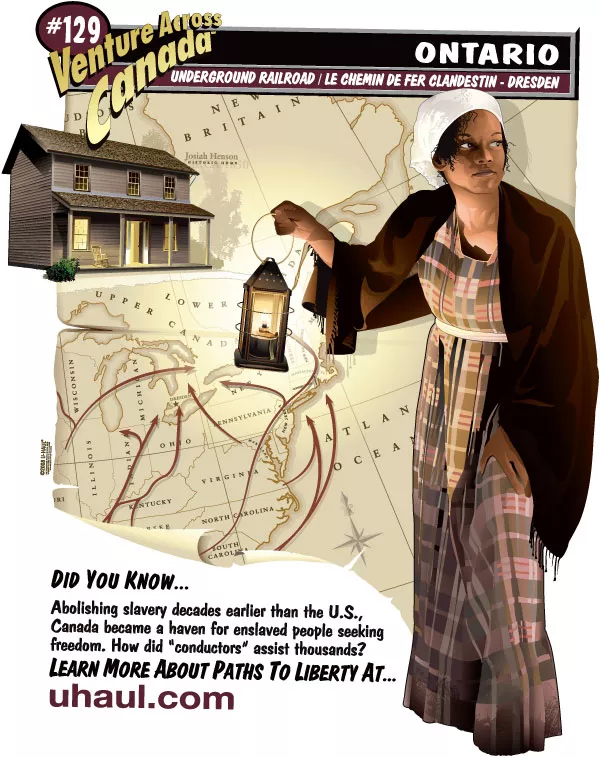
The Underground Railroad Surfaces
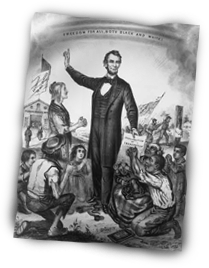
After 250 years of legal slavery, forced labor of African-Americans came to an end with the Union victory in the Civil War. In 1865, after four years of fighting, four million enslaved African-Americans were granted freedom from bondage, the right to vote and full citizenship. The abolitionists spent many years working toward a Thirteenth Amendment to the United States Constitution and the Union victory finally made it official: "Neither slavery, nor involuntary servitude shall exist within the United States."
After the Civil War, thousands of formerly enslaved African-Americans who had settled throughout Canada made the decision to move back to the United States. The freedom train was no longer running along the underground tracks, and African-Americans could go home as free citizens of the United States of America.
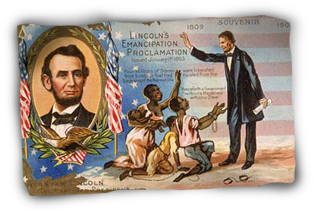
It is safe to say that most human societies had slavery in some form or another throughout history, and there are still forms of human exploitation resembling slavery that are practiced even today. The Underground Railroad, impressive for its success, longevity and complexity is one of the most significant humanitarian efforts in the history of the United States.