How to Pack Fragile Items for Shipping
Last Updated:
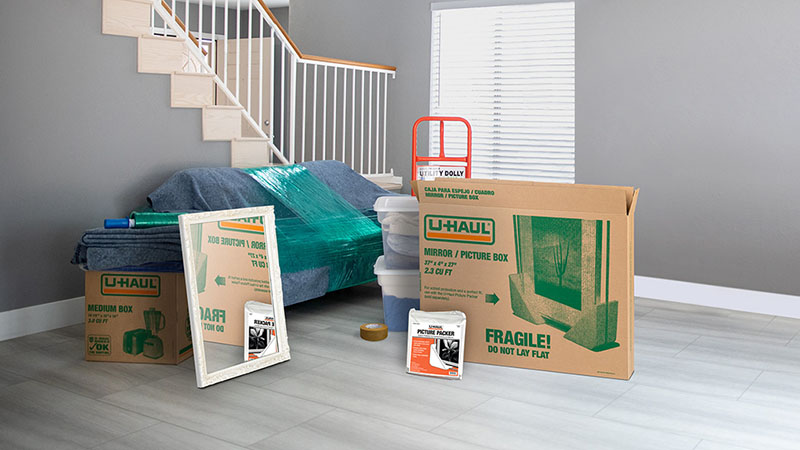
Moving can be stressful enough on its own, but packing fragile items often adds another layer of concern. After a long move, the last thing you want is to arrive at your new place only to discover your item was damaged.
Almost every move includes moving with fragile items. Fragile items face several risks during transportation, including turbulence from the road, shifting cargo, sudden impacts, compression from stacked boxes, and accidental drops during loading and unloading. Even a short move can put fragile belongings at risk if they aren't packed properly.
The good news is that with the right packing supplies and a few proven techniques, you can reduce the chances of damage. This guide covers how to pack fragile items for shipping, moving, and storage, from choosing the right materials to loading boxes properly for transportation.
Gather the Right Packing Materials
Before you begin packing, take the time to gather the right shipping supplies. Quality packing materials are one of the most important investments you can make when protecting fragile belongings.
|
Common Fragile Items |
Recommended Packing Supplies |
|
Glassware and dishes |
Dish Saver Packing Kit With Moving Box and Glass Pack Kit with Moving Box |
|
Mirrors and picture frames |
Picture Packer Kit, ”fragile” labels |
|
Electronics |
|
|
Vases and decorative pieces |
|
|
Ceramics and collectibles |
Packing peanuts or other void-fill materials |
|
Lamps |
|
|
Small appliances |
Strong packing tape |
|
Antiques and family heirlooms |
Avoid using boxes that are damaged, wet, or crushed. A sturdy box provides the foundation for safe shipping and helps prevent items from being damaged under pressure.
If you're planning a larger move, portable U-Box containers can provide an additional layer of protection. They allow you to carefully load and organize fragile boxes while giving you the flexibility to pack on your own schedule. You can also ship large items like cabinets, antique dressers, grandfather clocks, standup pianos, and so much more at an affordable cost. To learn more, check out our guide to how much it costs to rent a portable storage container.
Wrap Each Item Individually
One of the most common mistakes people make when packing fragile items is placing them directly next to each other without enough protection.
Every delicate item should be wrapped individually using packing paper, foam sheets, or bubble pack. Once wrapped, secure the material with paper packing tape to prevent it from unraveling during transportation.
Pay special attention to vulnerable areas like corners, handles, lids, glass edges, and screens. These are often the first places to crack or break when impacted. You can also use multiple layers of bubble pack for additional cushioning.
Choose the Right Box Size
When packing fragile items, box size matters too.
Boxes that are too large create excess space that makes items shift during transportation. On the other hand, boxes that are too small may not give enough room for proper cushioning materials.
A good rule of thumb is to leave approximately two to three inches of protective padding around all sides of the item. This provides enough cushioning while minimizing unnecessary movement inside the box. Some of the best packings include packing peanuts, foam sheets, bubble pack, and packing paper.
Cushion the Bottom and Sides of the Box
Before placing anything inside a box, create a protective cushion at the bottom. You should add at least two to three inches of cushioning material such as crumpled packing paper, foam, air pillows, or packing peanuts. This layer helps absorb impacts and reduces stress on fragile items if the box is accidentally dropped or handled roughly.
After placing items inside, add additional cushioning around all sides. The goal is to create a protective barrier that absorbs vibration while preventing direct contact with the box walls.
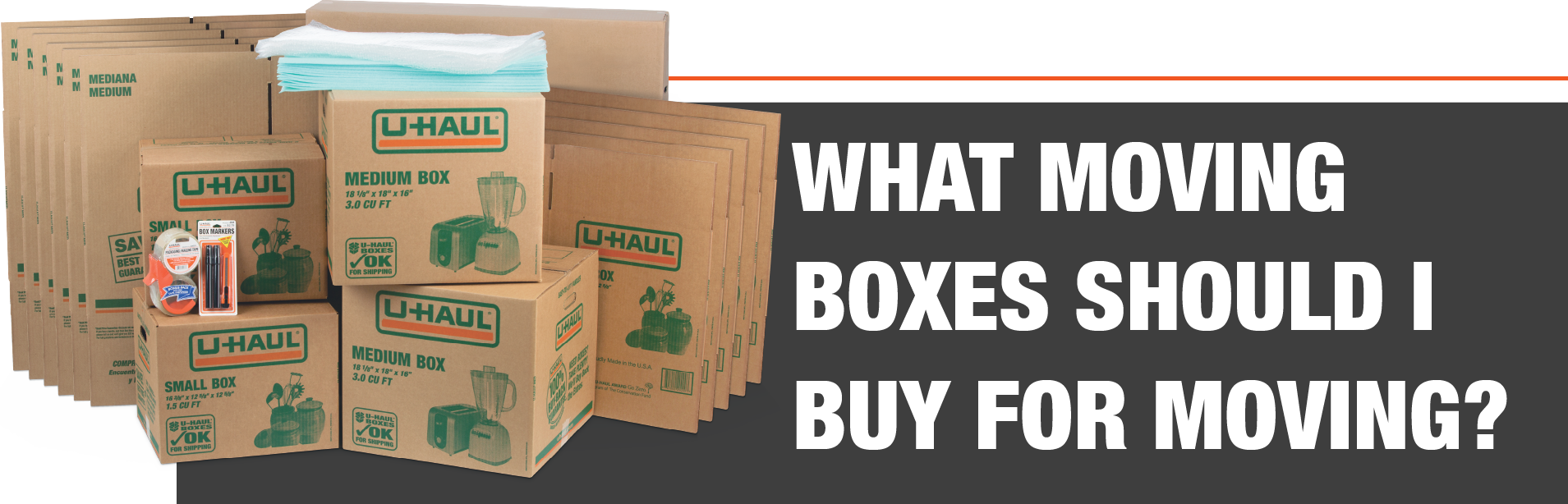 |
Buying Boxes for Moving: a Complete Guide This guide will ensure that you end up with the right size, type, and number of boxes, all for the best possible value. |
Fill Empty Spaces to Prevent Shifting
Even carefully wrapped items can become damaged if they move around inside the box.
Once your belongings are arranged, fill any empty spaces using void-fill materials such as packing peanuts, crumpled paper, foam inserts, or air pillows.
Try this simple test to see if you have the box filled. Gently shake the box before sealing it. If you hear or feel movement, add more filler until everything remains secure.
How to Pack Different Types of Fragile Items for Shipping
If you’re thinking about packing all your fragile items in the same box with the same method, then you’re wrong. Not all fragile items require the same packing approach. Here are some tips for common household belongings.
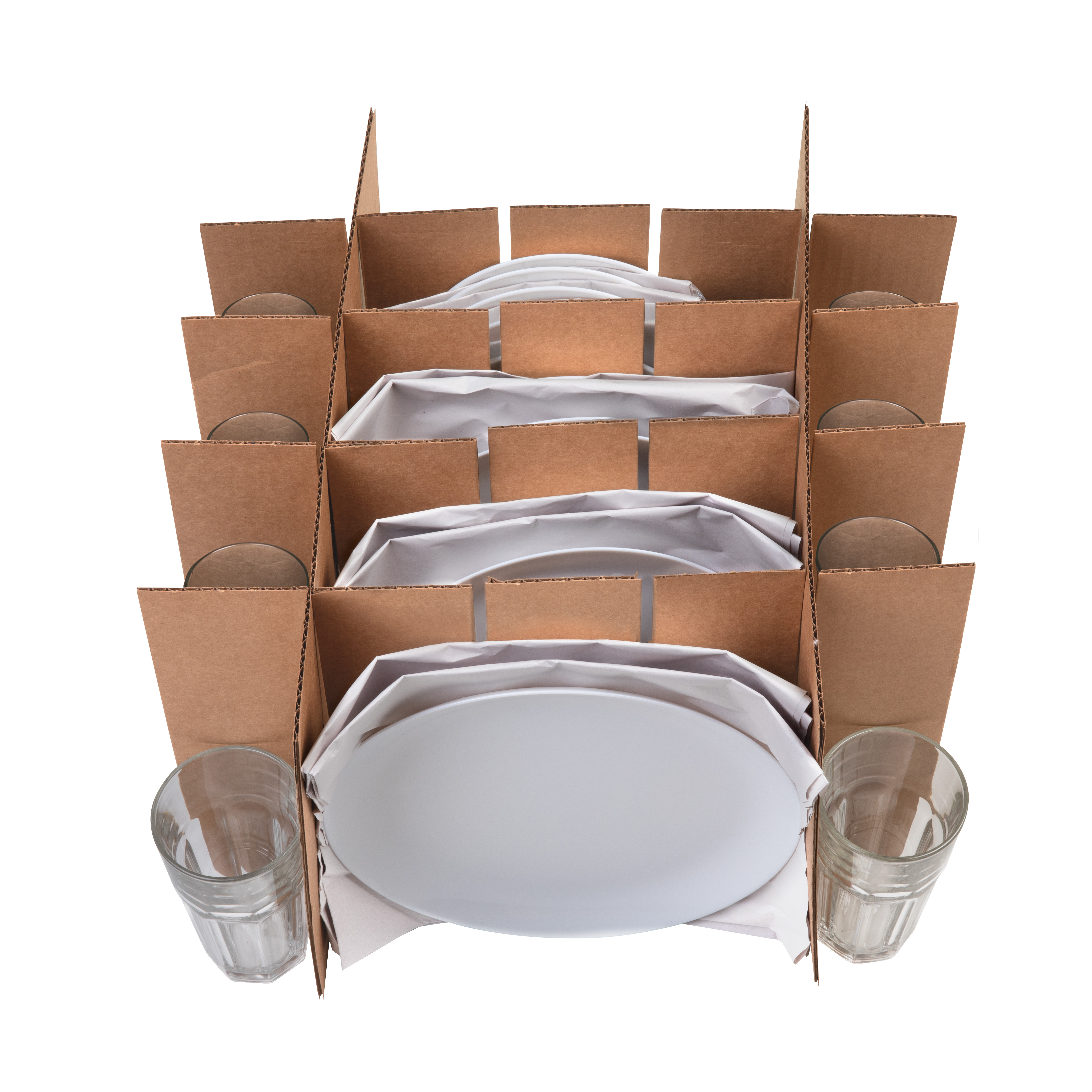 |
Glassware and DishesWrap each piece individually with packing paper and bubble wrap. Place heavier dishes at the bottom and lighter pieces on top. For plates, you can use foam sheets to separate them when stacked vertically, but we recommend packing them on their side rather than stacking them flat to reduce pressure and improve protection. When packing these items, we recommend that you utilize the Dish Saver Packing Kit and Glass Packing Kit for maximum protection. |
Electronics
Whenever possible, use the original packaging. For TVs, if that isn't available, use anti-static materials or U-Haul's TV packing kit and add cushioning around screens and corners.
Mirrors and Picture Frames
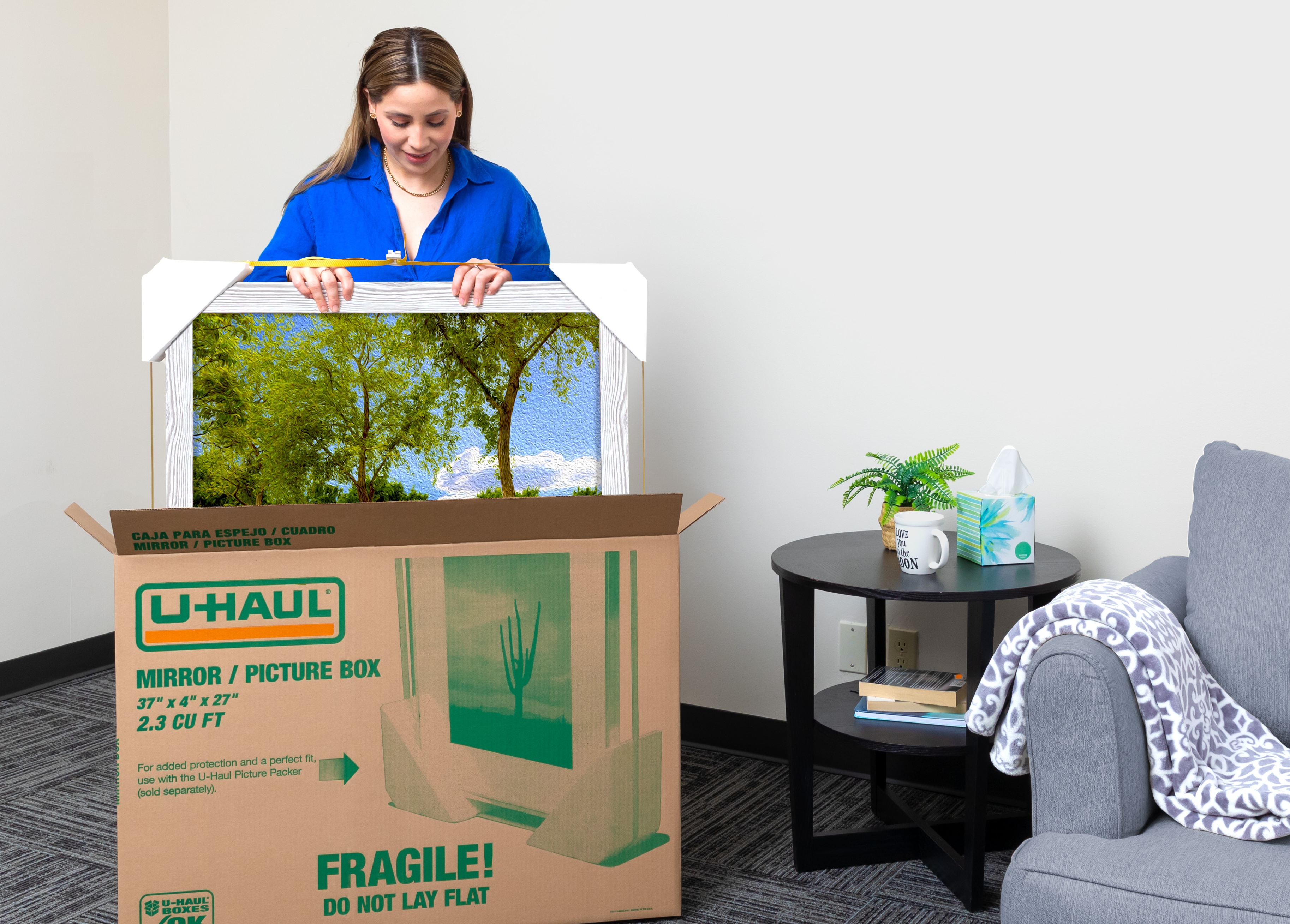
Apply painter's tape in an "X" pattern across glass surfaces to help minimize shattering if breakage occurs. After wrapping the item in bubble pack and securing the corners with protectors, place it in a mirror or picture frame moving box for additional protection and stability during the move. For a convenient all-in-one solution, our Picture Frame Moving Kit includes the recommended boxes and packing supplies needed to help protect framed artwork, mirrors, and other glass-covered items during transport.
Lamps
To pack lamps, remove lampshades and light bulbs before packing. Wrap each part separately and fill any space inside the box to prevent shifting. U-Haul offers a lamp box that’s specifically designed for packing a lamp or other tall, oddly shaped item.
Seal the Box Properly
Even the best-packed box won't provide much protection if it isn't sealed correctly.
A commonly recommended method is the H-taping technique. Apply tape along the center seam where the flaps meet, then tape both edge seams. Reinforce the bottom of the box as well.
Label Boxes
Proper labeling helps identify boxes that require extra care. You can use labels such as “Fragile”, “Handle With Care” or “This Side Up”
Tips: Place labels on multiple sides of the box, so they're visible regardless of how the package is positioned.
Keep Boxes Organized During Loading
Packing fragile items properly is only part of the process. How boxes are loaded and transported matters just as much. When loading, place heavier boxes on the bottom and keep the most fragile boxes on top. Make sure boxes are secured and positioned away from areas where they could be crushed during transit.
Learn more about How to Pack a Portable Storage Container
As you pack, consider using the My Belongings Organizer feature in the U-Haul App to create a digital inventory of your boxes and their contents. This can make it easier to keep track of fragile items, locate specific belongings when unloading, and stay organized throughout your move.
Packing and loading fragile items often requires extra care and attention to detail. If you could use an extra set of hands, Moving Help® service providers can assist with packing and loading services to help reduce the stress of handling delicate belongings and give you greater peace of mind on moving day.
The best part about using U-Box containers is you can have it delivered on a truck, have it loaded by Moving Help, pick the container up yourself, or load it at your local U-Haul center.
Protect Fragile Items with U-Box Containers
Choosing the right shipping and transportation solution can help protect your belongings throughout their journey. That’s why a lot of movers choose U-Box containers. They give you the flexibility to pack and load on your own schedule, allowing you to carefully organize fragile boxes and reduce unnecessary handling. Once packed, your container can be shipped to your destination while keeping your belongings together in one secure space.
From local moves to long-distance relocations and international shipping, U-Box containers offer convenient moving, storage, and shipping solutions designed to help simplify the process. By combining the packing techniques in this guide with a reliable shipping option, you can help protect fragile belongings from packing day to delivery day.
If you're preparing for an upcoming move, reserve a U-Box container today and make shipping delicate belongings a little easier.