Does Running a Food Truck Require a Generator?
Last Updated:
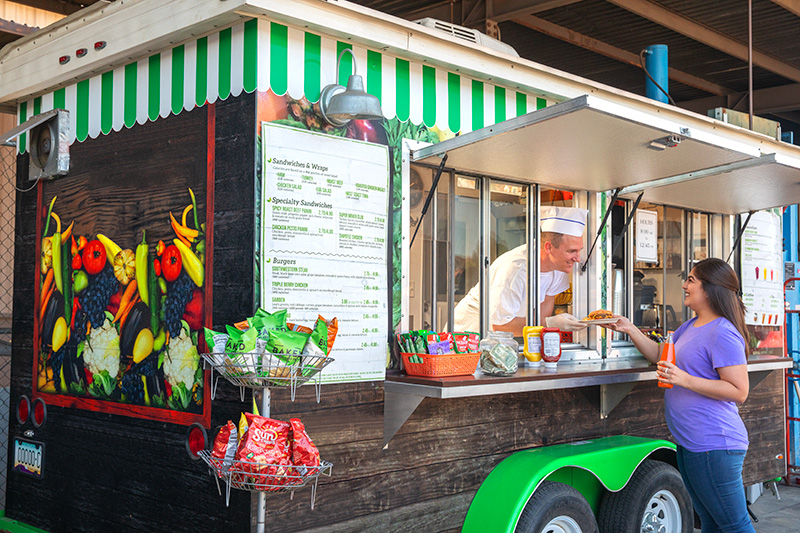
Starting a food truck comes with a lot of exciting decisions, from creating your menu to choosing the perfect truck. Somewhere along the way, you'll probably ask an important question: Does running a food truck require a generator?
The answer isn't always a simple yes or no.
Most food trucks need some type of electrical power to keep essential equipment running, but that doesn't mean every truck needs a large generator operating all day long. The amount of power you need depends on your equipment, menu, and where you'll be serving customers.
Many successful food truck operators use propane to power major cooking equipment while relying on smaller generators for refrigeration, lighting, and other electrical needs. Propane is widely used throughout the food service industry, and many operators prefer the flexibility of being able to refill or exchange propane tanks as needed.
Let's take a closer look at how food trucks are powered.
Do All Food Trucks Need a Generator?
Not necessarily. While generators are common in the food truck industry, they aren't the only way to power a mobile kitchen. Most food trucks rely on one of three power sources: generators, shore power, or battery systems.
Generator Power
Generators are the most common power solution for food trucks because they allow operators to serve customers almost anywhere without relying on electrical hookups.
A food truck generator can power essential equipment like refrigerators, freezers, point-of-sale systems, lighting, ventilation equipment, water pumps, and air conditioning units. Because many of these systems require electricity throughout the day, generators are often considered the backbone of a food truck's power strategy.
When selecting a generator, it's important to choose one that can handle both your running wattage and startup power requirements. Undersized generators may struggle to support refrigeration equipment or HVAC systems when they cycle on.
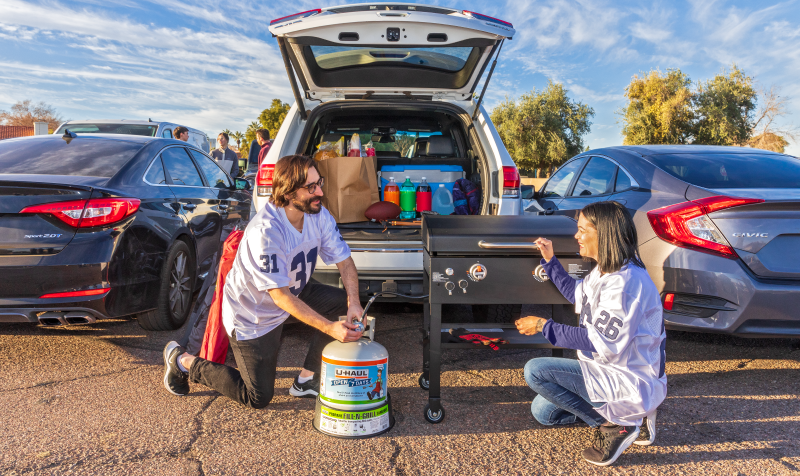
For food truck owners looking for a reliable power source, U-Haul offers portable generators that can help power essential equipment at events, festivals, job sites, and other locations where electrical hookups aren't available. Many portable generators can operate on propane, allowing food truck owners to use the same fuel source for both cooking equipment and electrical power. This can simplify fuel management, reduce the need to carry multiple fuel types, and help keep both kitchen equipment and generators fueled throughout daily operations.
Can a Food Truck Run Without a Generator?
Yes, in some situations.
A food truck connected to shore power may not need a generator while operating. Similarly, some battery-powered systems can support limited electrical loads without relying on a traditional generator.
Certain food trucks also use hybrid setups that combine propane appliances, batteries, and shore power connections.
Even so, many operators still keep a generator available as a backup power source. Having a backup plan can provide peace of mind during busy events, power outages, or unexpected equipment issues.
What Equipment Actually Needs Electricity for Food Trucks?
One of the biggest surprises for first-time food truck owners is how quickly electrical demand adds up.
Even if your cooking equipment runs on propane, you'll still need electricity for several important systems throughout your truck.
As mentioned above, common electrical loads include refrigeration equipment, ventilation systems, point-of-sale devices, lighting, water pumps, and air conditioning.
A refrigerator can use up to several hundred watts while running, and it may require more power during startup. The same is true for freezers and HVAC systems. These startup surges are one reason generator sizing is so important.
When calculating food truck power requirements, it's important to account for both running wattage and startup wattage. A generator that handles normal operation may still struggle if several appliances start at the same time.
Before purchasing equipment, it is recommended that you make a list of all electrical devices you plan to use and review the manufacturer's power requirements. This will help you avoid surprises later.
Can Food Trucks Use Propane Instead of Generators?
While generators often receive most of the attention, cooking equipment is usually the largest energy consumer inside a mobile kitchen. That's why many food truck operators rely on propane-powered appliances for everyday operations.
Common propane-powered equipment includes:
- Deep fryers
- Flat-top grills
- Griddles
- Ranges
- Ovens
- Water heaters
Instead of drawing large amounts of electricity, these appliances operate using propane to help reduce overall electrical demand. In many cases, this allows operators to use a smaller generator while still maintaining the cooking capacity needed to serve customers efficiently.
Another advantage is fuel accessibility. Propane is widely available across the country and can be used to power both food truck cooking equipment and certain portable generators.
With propane serving multiple functions, food truck owners can spend less time coordinating fuel needs and more time focusing on their business. U-Haul offers propane refill and exchange services at many locations nationwide so you can keep your kitchen equipment and generator systems fueled and ready for service.
Read more about:
|
Propane Refill Vs ExchangeWhile propane tank exchange might seem easier at first glance, many people prefer refilling their existing tank, and for good reason. We’ll explain why refilling your propane tank can be the better option and how U-Haul makes the process quick, affordable, and convenient. |
Choosing the Right Power Strategy for Your Food Truck
Before investing in a generator, take time to evaluate your actual power needs. While refrigeration is one of the largest electrical demands in many food trucks, some operators choose propane-powered (LPG) refrigerators to help reduce generator load and fuel consumption. Certain three-way refrigerators can operate on propane, AC power, or battery power, providing additional flexibility depending on where and how you're operating your food truck.
Start by calculating:
- Total running wattage
- Startup surge requirements
- Daily operating hours
- Refrigeration requirements
- Ventilation needs
- Air conditioning demand
- Cooking equipment fuel source
Many first-time operators discover they need less electrical power than expected once propane-powered cooking equipment is part of the equation.
For many food truck owners, the most effective approach isn't choosing between a generator and propane but using both strategically. A properly sized generator can provide dependable electricity for refrigeration, lighting, ventilation, and point-of-sale systems, while propane-powered cooking equipment can help reduce electrical demand and support efficient kitchen operations.
By combining both power sources, food truck operators can create a flexible, cost-effective strategy that keeps their business running smoothly in a variety of locations. With portable generators, propane-powered generator options, and propane refill and exchange services available through many U-Haul locations, food truck owners can conveniently source both their electrical power and cooking fuel needs from a single provider.