



Get in the zone
The vegetation in a temperate rainforest can be divided into five vertical zones or layers. These zones include the trees and canopies, the small tree/sapling layer, the shrub layer, the herb layer and the ground layer. The tree canopies can reach up to 200 feet in height! The small tree/sapling layer consists of short tree species and young trees. The shrub layer bears shrubs such as blueberries and huckleberries, whereas the herb layer encompasses short plants, and the ground layer consists of lichens, ferns and true mosses. Nearly every bit of space in the Tongass is occupied by a living plant. Delicate ferns can sprout from notches in branches and lichens can cling to treetops.
Courtesy of USDA Forest Service
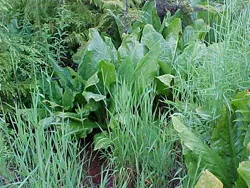
One of the most unique plants found in the temperate rain forest is the skunk cabbage. A harbinger of spring in the forest, skunk cabbage's characteristic lemony-yellow leaf-like flower appears first, and unwinds into a vase-like collar for the glistening, pollen coated central pistil. Bright, shiny green leaves unwind and grow from around the spath. The spath itself produces oxalic acid in the spring, causing an early reaction inside the plant that produces heat and warms the ground around the roots. The plant is then able to flower and shoot its leaves above the ground before all of the other plants, providing one of the earliest food sources for spring bears. When black bears come out of hibernation in the early springtime, they like to eat the roots of the skunk cabbage because the roots provide a tasty snack that helps to kick-start their digestive systems. Indeed, in the Tongass, dug up skunk cabbages and bear prints demonstrate once and for all that spring has arrived!