The Ultimate Guide to Loading & Unloading Your Storage Unit
Last Updated:
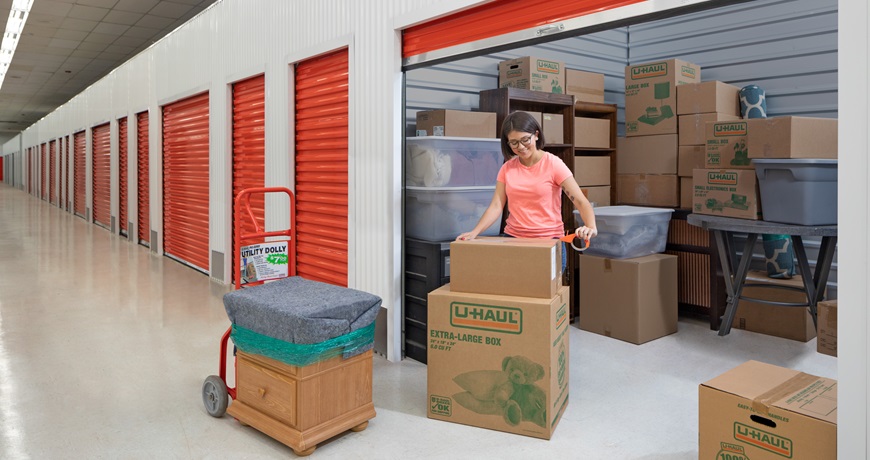
Renting a storage unit is a simple solution for keeping your belongings secure, maximizing space at your home or business, or making a seamless transition during a move. Renting space is just the beginning, however.
How you pack your storage unit can go a long way toward protecting your belongings from damage, staying organized, and avoiding wasting money on a larger unit than you need.
This guide outlines some core loading and unloading techniques to ensure you get the most out of your self-storage experience.
Key Takeaways
|
How Do You Prepare Your Storage Unit Before Loading?
Proper preparation is key for an organized, damage-free storage experience. Skipping this step often leads to crammed units, scratched furniture, or difficulty accessing items later.
Choosing the Right Storage Unit Size
It’s simple. If you rent a unit that’s too small, you risk over-packing your unit and damaging your belongings. Conversely, if you rent a unit that’s too large, you could waste money on unused space.
Here’s a quick breakdown of common self-storage unit sizes:
- Small storage units (0-50 sq. ft.): Like having an extra closet at home. This size is great for storing small household items and seasonal decor.
- Medium storage units (15-150 sq. ft.): Best if you’re between homes or apartments and need to store furniture and other household basics.
- Large storage units (150+ sq. ft.): Ideal if you need to store about a household worth of items during deployment or if you're between homes.
Review our Self-Storage Unit Size Guide for an in-depth breakdown on the different storage unit sizes commonly available.
Gathering Essential Packing and Protection Supplies
Do not forget packing supplies. Dust, moisture, and temperature fluctuations can degrade your items over time if they aren’t packed properly.
Consider gathering the following packing supplies:
- Moving blankets and furniture pads: Essential for preventing scratches on wood, glass, and polished metal.
- Stretch wrap: Secures moving blankets around furniture and keeps drawers or doors shut during transit.
- Mattress covers and plastic tarps: Keeps dust, dirt, and moisture off fabric surfaces like couches and mattresses.
- Moving boxes and plastic totes: Standardized box sizes stack much more securely than mixed-and-matched containers.
Preparing the Space and Layout
With your unit reserved and protective supplies in hand, you can turn your attention to prepping the unit for loading.
Consider adding freestanding shelving units to maximize vertical height without stacking boxes and risking crushing. You also may want to lay wooden pallets or floor liners on the ground to protect against condensation or accidental moisture, especially if you rent an outdoor storage unit.
How Should You Pack Your Belongings for Storage?
How you box your items determines how high and safely you can stack them inside your unit.
Cardboard Boxes vs. Plastic Totes
- Cardboard moving boxes: Best for long-term stacking. Uniform sizes (small, medium, large) fit together like bricks, creating stable towers.
- Clear plastic containers: Excellent for items you need to identify quickly or for humid environments. Avoid over-stacking heavy plastic totes, as plastic lids can warp or crack under sustained heavy weight, however.
Smart Packing Rules for Storage
- Pack heavy items (books, tools) in small boxes. Pack light, bulky items (pillows, blankets, lampshades) in large boxes. A large box is prone to breaking open and injuring whoever lifts it when packed with heavy items.
- Loose contents inside a box will cause the box to cave in when stacked. Fill gaps with packing paper, bubble packing wrap, or towels to keep the structure rigid.
- Wrap glassware and dishware individually, placing them vertically on edges inside specialized Dish Barrel Boxes rather than flat on their bottoms.
Labeling and Inventory Tracking
- Write contents and destination rooms on the top and at least two sides of every box. This ensures you can read labels even when boxes are stacked high.
- Number your boxes (e.g., Box #1, Box #2) and keep a spreadsheet or paper list detailing the contents of each box.
How Do You Organize a Storage Unit to Maximize Space?
Step 1: Heavy Furniture & Appliances First
Place appliances upright against the back wall. Leave refrigerators cracked slightly to prevent odors and mold from developing. Position heavy dressers, tables, and armoires to the sides of the units and stack boxes on top.
Step 2: Stack Vertically and Upright Furniture Placement
Making use of vertical space is one of the best ways to optimize your space. Disassemble bed frames and dining tables where possible. Place the disassembled parts upright against the wall or between stacks of boxes.
When stacking, place the heaviest boxes on the bottom of the stacks and lighter boxes on top.
Step 3: Creating a Center Access Aisle
Leaving a 1- to 2-foot walkway down the middle so every corner and stack remains accessible without unstacking everything.
What Is the Best Strategy for Unloading a Storage Unit?
- Clearing a landing zone: Setting up space outside the unit door or truck ramp before removing items.
- Unstacking top-to-bottom, front-to-back: Safely remove lighter boxes on top before moving lower foundation pieces to prevent tip-overs.
- Inspecting items for damage or shifted loads: Checking for shifting that occurred during temperature changes or long-term sitting.
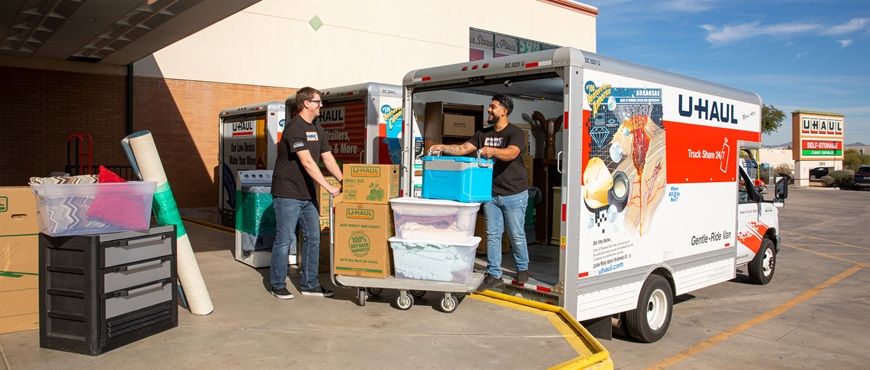
Need Help With the Heavy Lifting? Hire Hourly Moving Helpers
Keep in mind: Loading or unloading a storage unit involves tight spaces, heavy lifting, and careful packing strategy. Attempting to maneuver heavy armoires, sectionals, or bulky appliances into a tight space on your own can lead to injury or costly damage to your belongings.
When to DIY vs. When to Book Storage Loading Labor
Although loading a storage unit can be DIY-d successfully, hiring labor-only movers to go to a storage unit makes sense in some circumstances:
- You have many heavy, awkward, or bulky items that require loading
- You want to maximize every cubic foot of space in your unit
- You want to save time and load or unload your storage unit in half the time
How Local Moving Help® Service Providers Simplify the Process
By booking local, hourly helpers through Moving Help, you get specialized labor tailored to your exact needs:
- Pay only for the labor you need: Hire helpers by the hour solely for loading, unloading, or rearranging your storage unit. No need to pay full-service prices if you already have your own truck or unit.
- Professional space optimization: Experienced labor pros know how to fit your belongings in a snug space safely and securely, using professional packing strategies to prevent shifting, crushing, or tipping.
- Safety first: Protect your back, walls, and belongings by letting trained loading professionals do the heavy lifting.
Ready to make your storage project effortless? Search for local Moving Help Service Providers near you to load or unload your storage unit today.